CIQ Blog: What's New in Enterprise Linux & AI Infrastructure
We're a team of scientists, Linux geeks, technologists, pilots, designers and more with a mission to make infrastructure something you never have to think about.
Fuzzball 4.2: AI agents that drive Fuzzball, and workflows that submit workflows
Fuzzball 4.2 adds an MCP server so AI agents can run HPC workflows, self-service API access from inside workflows, multi-tenant controls, and AMD ROCm support.

Content views without the translation tax: moving your lifecycle workflow to ELM
Migrating off Red Hat Satellite? Content-view terminology carries over to CIQ ELM, so your team keeps its workflow.
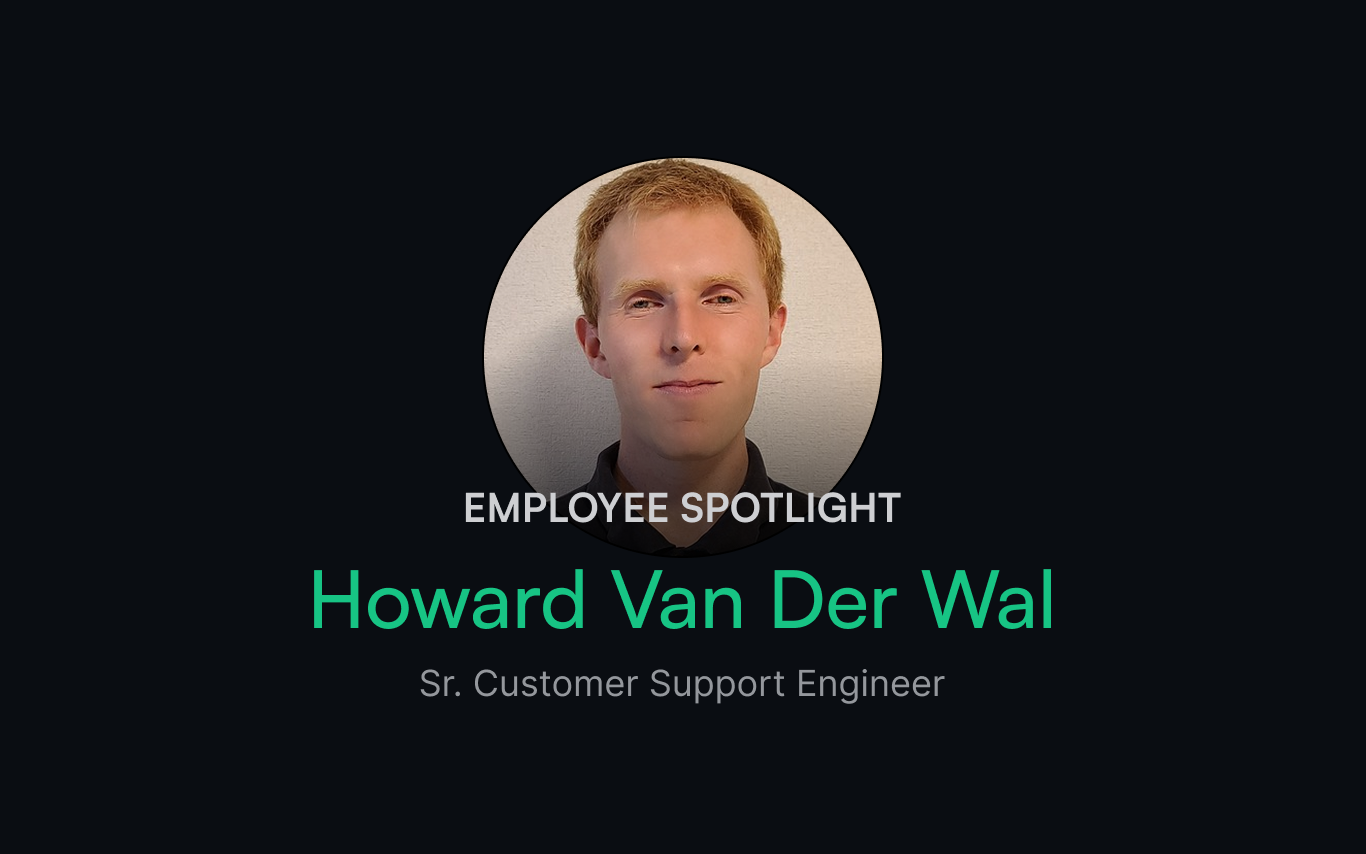
Rebuild the system, solve the problem: Howard Van Der Wal's work with NASA
Meet CIQ Senior Customer Support Engineer Howard Van Der Wal and learn how he replicates complex Linux environments to solve challenging problems for NASA.


Why OS hardening is no longer enough: The case for infrastructure-level supply chain security
The attack surface your auditors ask about is not the one attackers use. Enterprise Linux security has matured significantly. Organizations run hardened operating systems, enforce FIPS 140-3…
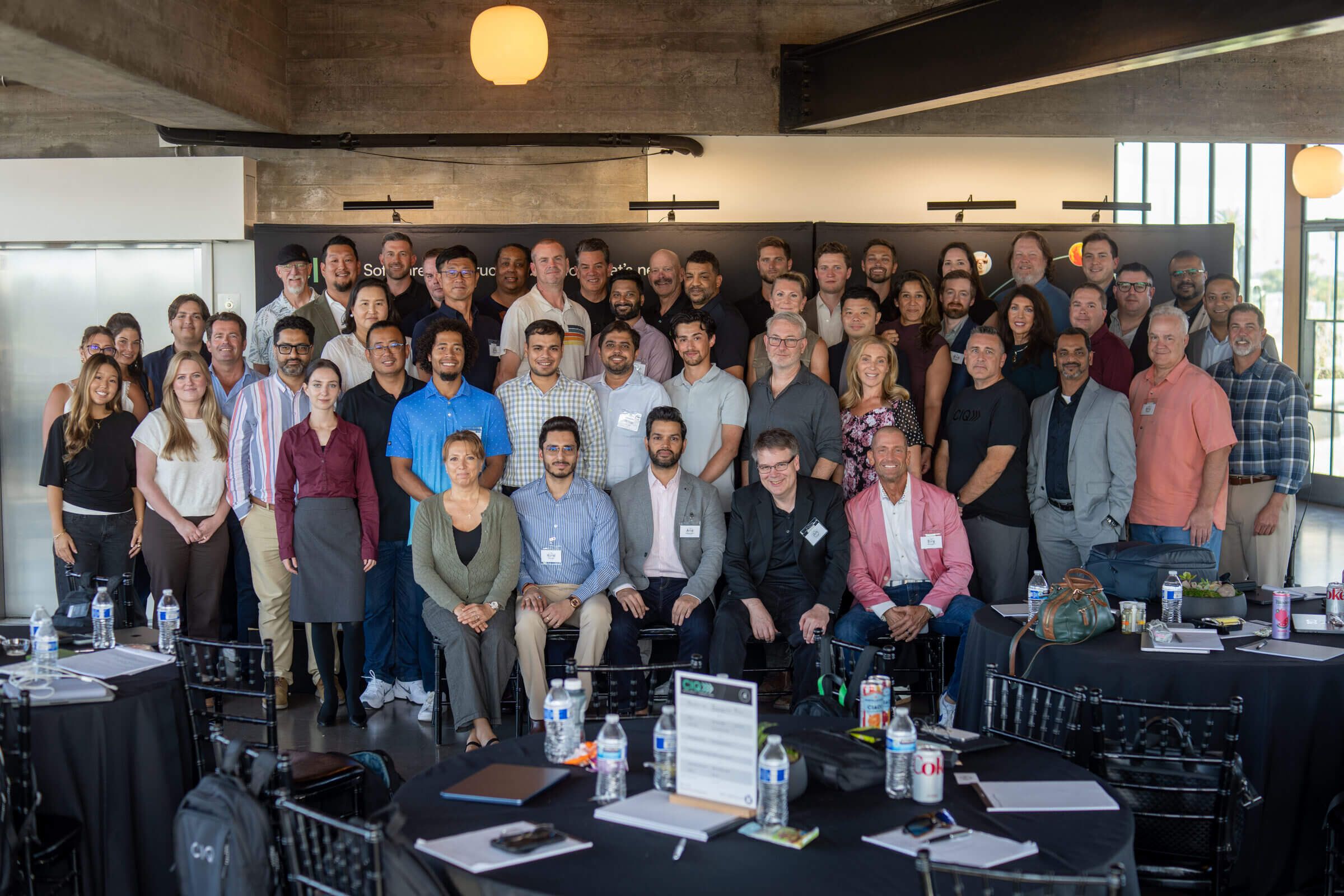
What we heard from the customer side of the table
CIQ brought our entire global sales team to our Los Angeles office last week for our H2 sales kickoff, along with much of product and marketing. People flew in from Japan, Korea, India, Europe, and…
Trust doesn't scale. Enablement does. Inside the new CIQ partner portal
We have a partner on the East Coast we've worked with for three years. Reseller, strong engineering bench, deep in regulated industries. We've driven real revenue together. Their team knows exactly…
BOD 26-04 and federal contractors: what it means for FISMA scope
BOD 26-04 binds federal agencies, and the systems contractors run for them fall in scope. Here is how FISMA scope works and what to verify
Monthly newsletter
No spam. Just the latest releases and tips, interesting articles, and exclusive interviews in your inbox every month.
Read about our privacy policy.

Self-service purchasing is live: buy CIQ products in the portal, on your own terms
When we launched the CIQ portal, you could browse the catalog, claim a developer license, start a trial, and download images across the full product portfolio. One step still sent you somewhere else.…

Optimize GPU, cost, and expertise with Fuzzball
A new AI launch can spike usage before anyone can trace the spend. See how Fuzzball optimizes GPU utilization, cost, and infrastructure expertise so teams get to the work faster, straight from the Fuzzball documentation.
Why we're building OpenWALDO
CIQ founder Gregory Kurtzer on why AI needs an open, community governed corpus of training data, and how OpenWALDO applies proven open source infrastructure to build it.
Sovereign AI, from desk to data center: a conversation with TechnologyInsider
CIQ CEO Gregory Kurtzer talks with TechnologyInsider about running AI in house: why starting is easy, why scaling is hard, and what is pushing European organizations toward sovereign AI.